There are many positives to the new media strategy, but also fears about where it leads the country
What is the best pub snack?
As Andy Burnham and John Healey took up their positions in No. 10 and No. 11 last week, they took a break from running the country to discuss the biggest question potentially facing Brits today. They did so in a video released to promote their announcement of a 20% cut in pub business rates, which racked up two million views across Instagram and TikTok.
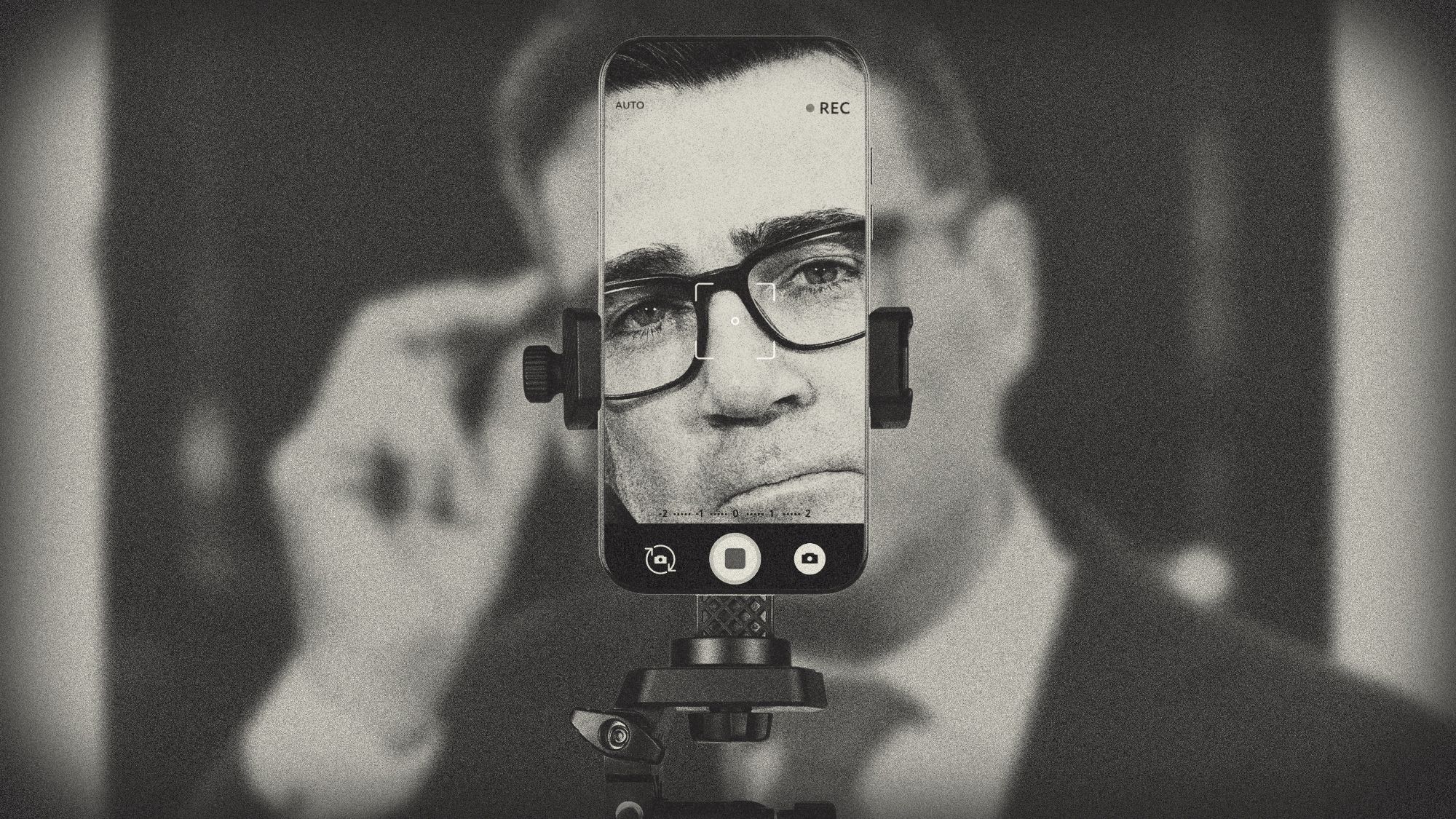
The change in government has seen a new media strategy that is already winning much praise. “Labour’s comms has been in another league this week compared to what went before,” said The News Agents’ Lewis Goodall on X in response to the pub snacks video.
Escape your echo chamber. Get the facts behind the news, plus analysis from multiple perspectives.
“That is certainly true,” said Gareth Roberts in The Spectator, but it’s “a bit like saying that a packet of Scampi Fries is, as a pub snack, in another league from a handful of gravel.”
In 2026, “TikTok and Instagram are the most important stages that any politician who cares about reaching Gen Z, who don’t read newspapers or listen to the radio, must master”, said Issy Clarke on LBC.
Many of Burnham’s critics “will be precisely those who decry the lack of political engagement among Gen Z”, all the while “forgetting that the best remedy is to meet young people where they are”. Burnham “is the first British PM who has managed to do it”.
When it comes to his social media output, it has an “authenticity” to it, Bruce Daisley, the former boss of Twitter in the UK and Europe, told The Times. “And he is getting the cut through as a result.” Burnham is a politician who gets it and uses “a template of frequent, human communications”. In a way “it’s almost over-communication, but that way the message gets across”.
Join 350,000+ subscribers and keep yourself informed with a selection of The Week’s most interesting, enlightening and entertaining stories - plus daily puzzles.
After years of gloom, “the chirpy bonhomie can’t help but appeal”, said Roberts in The Spectator. “Here is somebody saying that Britain isn’t broken, isn’t collapsing, and look, here’s a few little extra pennies for you.” It is the reason the polls are shifting effectively because “it’s so nice to see somebody with a smile on their face, even a gormless smile that defies reality”.
Burnham’s social media output is a “good way to signal to a large audience that the Labour government has changed”, said Stephen Bush in the Financial Times. But “while it allows the prime minister of the day to evade direct scrutiny and difficult debates, it also makes it harder for them to put their opponents under the microscope”.
It also means “neither Burnham nor his opponents are guaranteed a proper comeback when a rival is speaking”. Effectively, we are heading towards “a highly polarised country where political advertising is almost inescapable and neither side can be guaranteed the pain of scrutiny or the consolation of a rebuttal”.